

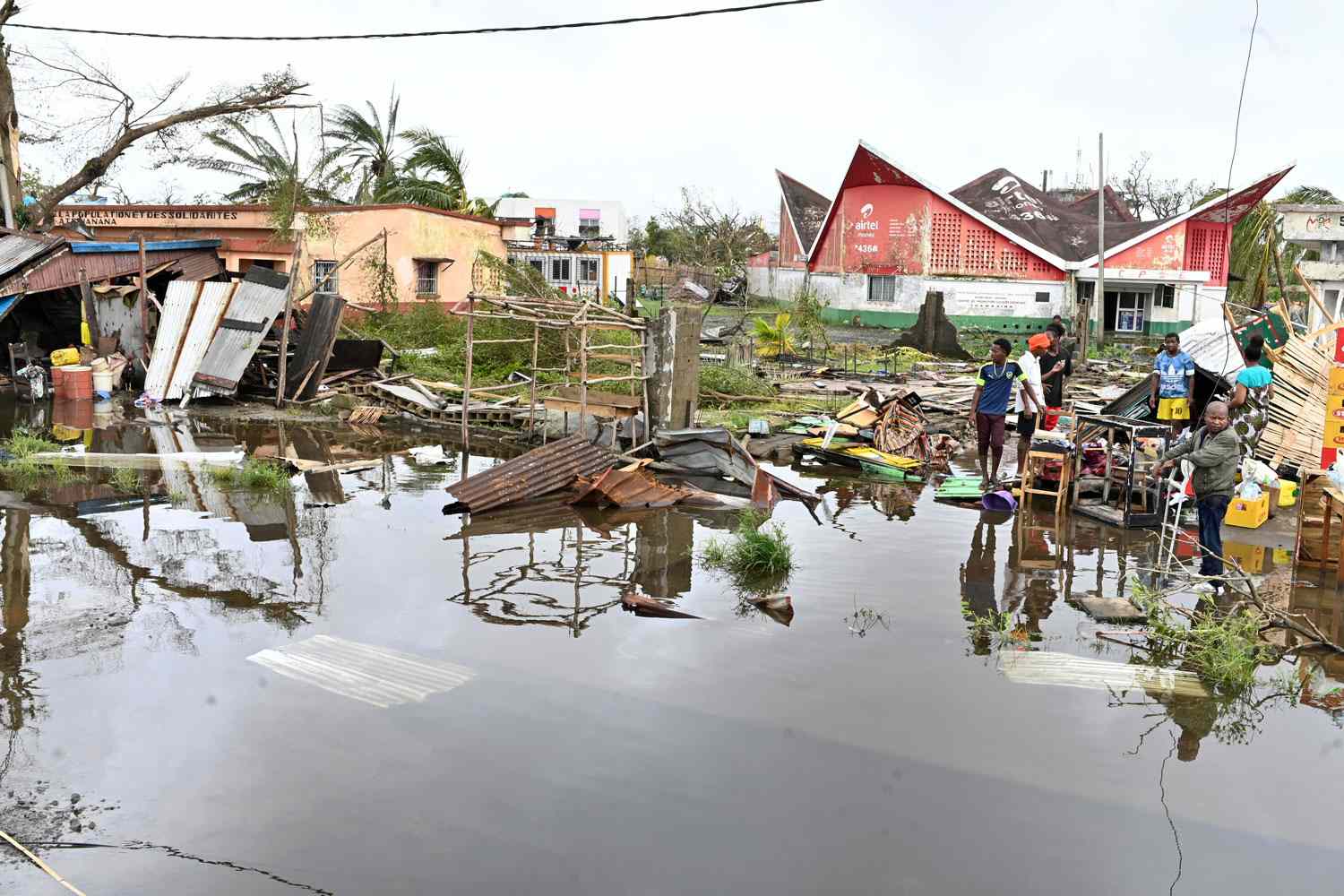
ZIMBABWE is being battered by Tropical Cyclone Gezani’s reach, which is drying out western regions and worsening weather-related fatalities.
This has prompted the Meteorological Services Department of Zimbabwe (MSD) to closely monitor the cyclone, which is not expected to make landfall locally, but is already influencing weather patterns and contributing to dry conditions in several regions.
“The Meteorological Services Department of Zimbabwe continues to closely monitor Tropical Cyclone Gezani, currently active in the Southwest Indian Ocean,” the MSD . “As of this morning, Gezani has weakened to a Severe Tropical Storm but is expected to re-intensify as it moves west-southwest away from Madagascar,” MSD said in an advisory yesterday.
It said the system is expected to move near the Mozambican coast before turning southwards into the southern Indian Ocean, where it would likely dissipate without entering Zimbabwe.
“The system is projected to briefly approach the coast of Mozambique before turning southward into the southern Indian Ocean, where it is likely to dissipate,” the department said.
“While the cyclone is not expected to enter Zimbabwe, its effects will be felt across the country. Currently, the system is drawing moisture away from Zimbabwe, contributing to dry conditions over the western areas,” the MSD said.
It added that rainfall could still be recorded between Sunday and Tuesday as the system shifts position.
“However, as the storm moves further south in the Mozambican channel, a moisture band may form, bringing rainfall to Zimbabwe from 15 to 17 February 2026,” the weather department said.
The weather authority urged the public and farmers to remain cautious and prepare for possible weather-related disruptions.
“Do not attempt to cross flooded rivers or streams. Secure loose outdoor structures and items. Drive with caution, especially in areas with poor drainage. Farmers should protect livestock and equipment. Schools, event organisers, and transport operators should prepare for possible disruptions. The MSD will continue to monitor the situation and issue timely updates,” the department said, urging the public to rely on official channels for information.
This comes as the country has recorded 120 rainfall-related deaths this season, with the Civil Protection Unit (CPU) describing the drowning toll as “suicidal.”
In an interview with the Daily News on Thursday, the CPU director, Nathan Nkomo, described the rising cases of drowning, particularly involving children and people attempting to cross flooded rivers, as deeply disturbing and largely preventable.
He said Manicaland province had recorded the highest number of rainfall-related deaths at 36, while Harare metropolitan province had recorded the least with one death so far this season.
“The statistics we have compiled so far show that we have recorded 120 deaths countrywide as a result of rainfall-induced incidents. A significant proportion of these deaths is due to drowning in rivers, dams, pits, and other water bodies. What is worrying is that many of these cases could have been avoided,” he said.
Nkomo said recent incidents underscore the severity of the crisis.
“In Midlands Province, three learners from Musume Primary School in Mberengwa drowned in a fish pond on February 1, 2026 after allegedly swimming in the water body. A similar incident happened in Zvishavane, where a nine-year-old boy drowned in Zvoi Dam under Chief Mazvihwa’s area. His body was retrieved following a community search. Tragedy also struck in Bulawayo’s Pumula North suburb, where two two-year-old minors drowned in a water-filled sand poaching pit while playing with other children,” Nkomo said.
Nkomo said children remained among the most vulnerable.
“On January 28, 2026 a boat carrying 10 people who were boat cruising after a bridal shower bumped on a hard surface, assumed to be a rock or log and capsized. A lady named Lyona Zendekanye, 26, and her male child aged three, drowned, while the remaining eight managed to get to safety. It is heartbreaking that some of the victims are toddlers and primary school children. In some cases, children are drowning while playing in pits filled with water, while in others they are attempting to cross flooded streams on their way to, or, from school,” he said.
Nkomo urged parents and guardians to escort children to school during this period.
Discover more from 07 News Daily
Subscribe to get the latest posts sent to your email.